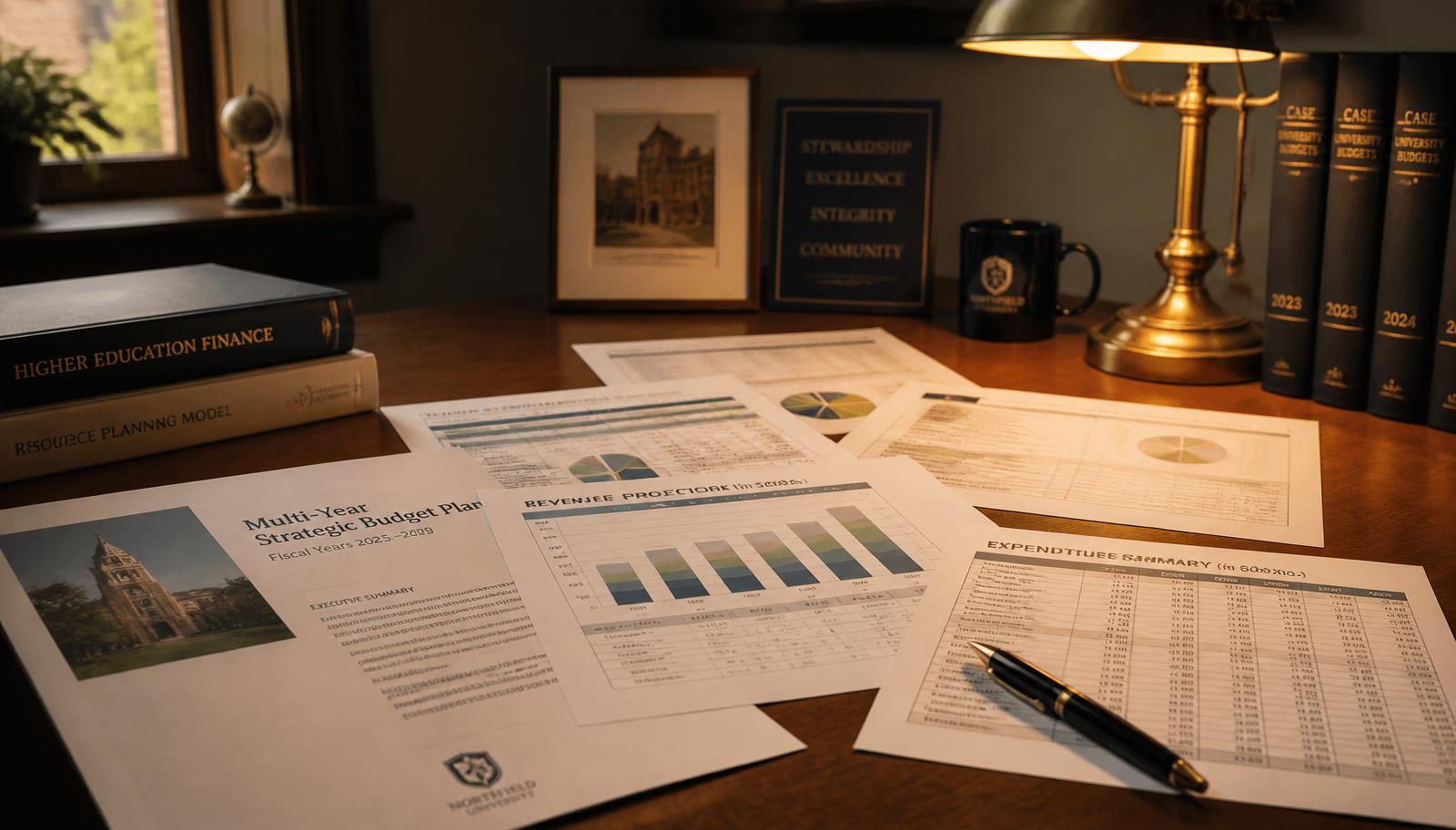
Fiscal Mismanagement and Organizational Conditions in Higher Education
Doctoral study examining the organizational conditions, oversight structures, and decision-making cultures that contribute to financial mismanagement within colleges and universities.
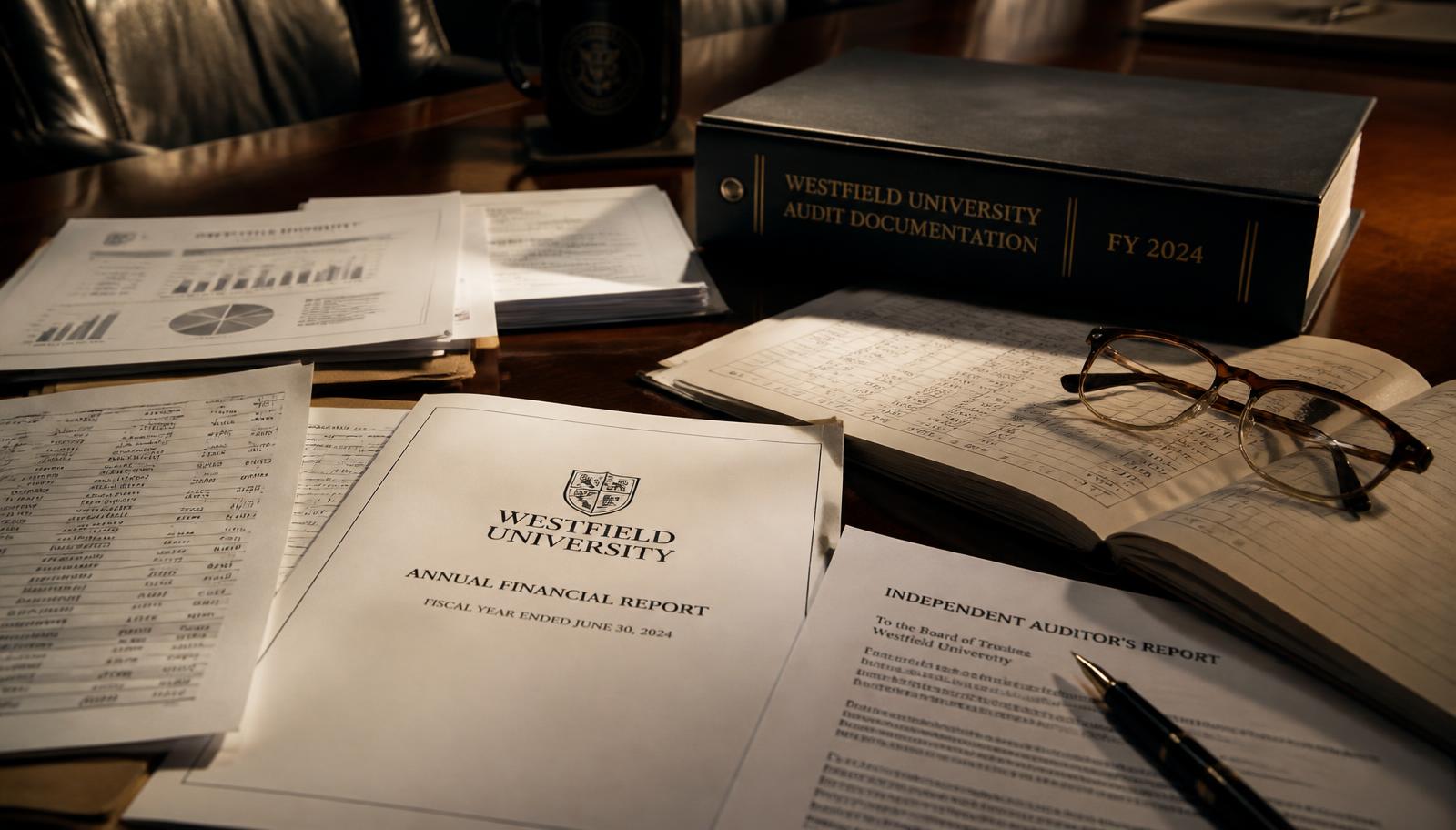
Financial failure in higher education is rarely the product of a single decision. It accumulates quietly, through delayed reporting, informal approvals, and a governance culture that treats the budget as an administrative artifact rather than a statement of institutional priorities.
This doctoral study examined the organizational conditions that precede fiscal mismanagement: the concentration of financial authority in too few hands, boards receiving summary data without the context to interpret it, and internal control structures that satisfy audit requirements while leaving practical oversight gaps untouched.
Across the institutions studied, three conditions appeared consistently. First, financial information moved upward in aggregated form, stripping out the operating detail leadership needed to intervene early. Second, exception handling became routine, so that deviations from policy stopped registering as signals. Third, the people closest to the numbers had the least standing to raise concerns.
The implication for practice is direct. Strengthening oversight is less about adding controls than about restoring the flow of usable information between those who manage resources and those responsible for governing them. Institutions that build that flow deliberately are measurably more resilient when revenue conditions tighten.
The research closes with a diagnostic framework leaders can apply to their own institutions, translating organizational theory into a set of questions any cabinet or finance committee can ask in a single meeting.
Interested in this work? Institutions, colleagues, and conference organizers are welcome to start a conversation.
Request an engagement